
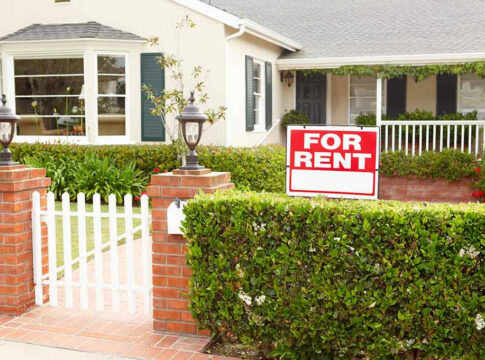
Rental scams have become so cunning and widespread in 2025 that you may lose thousands before even setting foot in a new apartment, with social media fueling a $600,000 loss epidemic among desperate renters.
Rental Fraud Surges Amid Housing Crisis and Social Media Shift
Early 2025 saw a sharp escalation in rental scams across the United States. As the housing market tightened, more Americans searched for apartments online, especially through social media platforms like Instagram, TikTok, and Facebook Marketplace. Scammers adapted quickly, often stealing legitimate listings and modifying them with enticing below-market rent offers. This digital shift made renters especially vulnerable, as urgency and high demand erased caution, and fraudulent agents became increasingly convincing at impersonating real estate professionals.
By mid-2025, the FBI had received 130 real estate complaints directly referencing scams on social media, with collective losses approaching $600,000. The scale and speed of these scams stunned law enforcement and industry experts. Renters, often young adults and families seeking affordable housing, found themselves tricked into paying application fees and deposits for apartments that never existed or were already leased. The median loss per victim reached $1,000, but some lost much more, and nearly half of all renters encountered fraudulent listings during their search.
Scammers Refine Tactics and Target Emotional Vulnerabilities
Scam artists, whether individuals or organized groups, capitalized on the chaos of the housing market. They posed as landlords and agents, using doctored listings and stolen identities to build trust. Social media offered them anonymity and reach, allowing quick contact with multiple victims. The scams played on urgency and desperation, advertising impossible deals that pressured renters into sending money before viewing properties. Real estate agents and agencies, meanwhile, suffered reputational damage as their legitimate listings and identities were hijacked for fraudulent purposes.
Platforms such as Instagram and TikTok became primary vectors for these scams. Even as moderators and policy teams attempted to detect and remove fraudulent listings, the sheer volume and sophistication of the scams made preemptive action difficult. Law enforcement found itself reacting after losses occurred, with investigations often stymied by the digital distance and anonymity scammers enjoyed.
Industry Response and Calls for Consumer Vigilance
As news of the scams spread, real estate professionals called for renter education, emphasizing in-person verification and healthy skepticism toward deals that appeared too good to be true. Authorities like the FBI and consumer protection agencies issued public warnings, urging renters to avoid upfront payments and verify identities and listings before transferring any funds. Industry leaders advocated for better verification tools and stronger platform accountability, warning that the housing crisis and digital shift had created a “perfect storm” for rental fraud.
The impact extended beyond immediate financial loss. Emotional distress and housing insecurity plagued victims, while the broader rental sector faced growing operational risks and costs tied to fraud prevention. The trust in online apartment searches eroded, fueling demands for regulatory oversight and improved consumer protections. Multifamily housing operators and platforms found themselves under pressure to respond, with long-term implications for the entire industry.
Broader Consequences and the Path Forward
Rental scams in 2025 have left a lasting mark. The epidemic exposed inherent vulnerabilities in digital apartment hunting and the need for systemic change. As public awareness campaigns intensified and investigations continued, renters became more cautious, but scammers remained agile. The possibility of new laws or platform policies loomed, aimed at closing gaps exploited by fraudsters. The multifamily rental sector confronted a future where digital literacy, platform accountability, and proactive consumer protection would be essential to restoring trust and preventing further losses.
Industry experts continue to debate the best path forward. Some argue for mandatory platform vetting of all listings, while others see renter education as the most effective defense. What remains clear is that the convergence of high housing demand, digital anonymity, and sophisticated scam tactics has fundamentally changed the landscape for renters, agents, and platforms alike. The warning for 2025 is stark: verify every listing, question every deal, and never pay before you see the keys in your hand.
Sources:
ScamwatchHQ: The $1,000 House Hunt Nightmare
The Guarantors: Multifamily Protecting NOI
The Independent: Apartment Scams Surge as Renters Lose $600K