
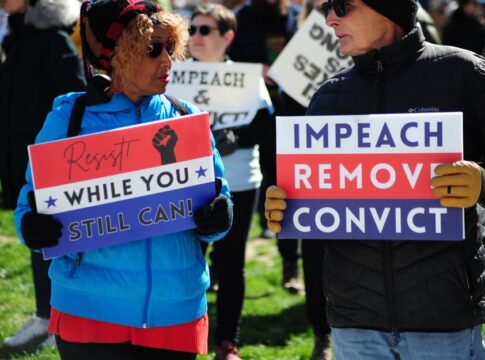
Defense Secretary Pete Hegseth launched a forceful defense against impeachment efforts on Tuesday, declaring that outgoing Rep. Thomas Massie’s campaign to remove him represents political disagreement masquerading as constitutional accountability rather than legitimate grounds for removing a cabinet official.
Historic First Defense
Hegseth broke a six-month press silence at the Pentagon to confront Massie’s impeachment resolution directly. The Defense Secretary emphasized an unprecedented nature of the threat: no Secretary of War or Secretary of Defense has faced impeachment for executing lawful military operations in America’s 250-year history. His appearance marked his first Pentagon briefing since May, despite continued U.S. military operations spanning multiple theaters.
The impeachment effort centers on Hegseth’s management of military operations against Iran and controversial strikes against alleged drug-smuggling vessels in Latin American waters. Massie, who will leave Congress soon, filed articles targeting what he characterizes as unauthorized military actions. Hegseth flatly rejected this framing, arguing his actions fall within constitutional executive authority and established defense protocols.

Read
Bipartisan Challenge Emerges
While Massie leads the charge, the effort has attracted bipartisan interest, complicating Hegseth’s political calculus. Critics question the administration’s legal justification for sustained operations against Iran without formal congressional authorization. The intermittent strikes have generated controversy among lawmakers concerned about executive overreach and escalation risks in the Middle East. Additional scrutiny focuses on fatal strikes against suspected drug traffickers, which some members view as exceeding traditional counter-narcotics cooperation.
Hegseth countered that every military action received proper legal review and presidential authorization. He characterized Massie’s resolution as weaponizing impeachment to reverse policy decisions Congress lacks votes to change through normal legislative channels. The Defense Secretary argued this approach threatens civilian control of the military by injecting political calculations into operational decisions.
What This Means
This confrontation tests constitutional boundaries between congressional oversight and executive military authority. Impeachment of cabinet officials remains exceptionally rare in American history, typically reserved for clear criminal conduct or constitutional violations. If Massie’s effort gains traction, it could establish precedent for legislators to challenge policy disagreements through impeachment rather than traditional oversight mechanisms. For conservative readers valuing constitutional principles, the dispute highlights tensions between congressional war powers and executive command authority that the Founders deliberately left ambiguous.