
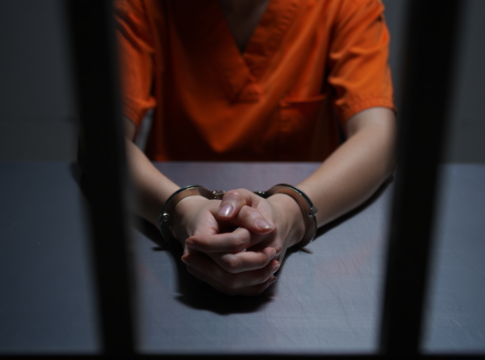
A woman at the center of Minnesota’s largest fraud scandal has made explosive allegations against the state’s top Democratic leaders, claiming Gov. Tim Walz and Attorney General Keith Ellison had knowledge of widespread fraud schemes that ultimately cost taxpayers hundreds of millions of dollars.
Aimee Bock, who was convicted for her role in orchestrating a massive fraud operation through her nonprofit organization Feeding Our Future, made the accusations during a recent interview from Sherburne County Jail. Her claims come as federal investigators continue their expansive probe into what prosecutors describe as a systematic theft of pandemic relief funds intended to feed vulnerable children.
The Allegations From Behind Bars
Speaking from her jail cell, Bock insisted that state officials continued processing and approving suspicious claims even after red flags were raised about potential fraudulent activity. She maintained that her organization repeatedly flagged questionable companies to state oversight agencies, yet the approval process continued unabated.
According to Bock’s account, the state bore responsibility for both approving program sponsors and monitoring the legitimacy of reimbursement claims. She argued that state officials’ failure to investigate or halt suspicious operations after being notified suggests either negligence or complicity at the highest levels of Minnesota government.
The convicted fraudster expressed particular frustration with what she characterized as state officials’ later cooperation with federal investigators, suggesting they portrayed her as an obstacle while failing to acknowledge their own oversight failures.
Swift Denial From State Officials
Attorney General Ellison’s office responded forcefully to Bock’s accusations, questioning her credibility given her federal conviction and imprisonment. A spokesperson characterized her as fundamentally dishonest and manipulative, emphasizing that she has consistently refused to accept responsibility for her criminal conduct.
The response highlighted the thoroughness of both federal and state investigations that led to Bock’s conviction, noting that her guilt was established beyond a reasonable doubt in federal court. Officials dismissed her latest claims as an attempt to deflect responsibility onto others rather than acknowledge her central role in the fraudulent scheme.
🚨🔥HOLY SMOKES: The $250M Minnesota “welfare fraud” scandal wasn’t some ethnic boogeyman story.
The ringleader prosecutors convicted is Aimee Bock — a white American — and a judge just ordered her to forfeit a Porsche and luxury goods.
Trump used this case to demonize Somalis.… pic.twitter.com/Q7z0iDiWKd
— Brian Allen (@allenanalysis) January 22, 2026
The Scope of the Fraud Operation
Federal prosecutors have detailed a sophisticated fraud network that exploited pandemic relief programs designed to provide meals for children during COVID-19 disruptions. The scheme involved creating fake restaurants and food service operations that submitted false claims for reimbursement, ultimately stealing more than $250 million in taxpayer funds.
The breadth of the criminal enterprise has resulted in convictions for 64 defendants so far, with federal investigators conducting an extensive probe that includes over 1,750 subpoenas, more than 130 search warrants, and approximately 1,000 witness interviews. These numbers underscore the complexity and scale of the fraudulent operations that flourished during the pandemic period.
The investigation has revealed systematic exploitation of programs administered through the Minnesota Department of Education, which oversaw the distribution of federal child nutrition funds. The fraud network created elaborate facades of legitimate food service operations while diverting millions intended for vulnerable children into personal accounts.
Congressional Oversight and Broader Concerns
Republican lawmakers have seized on the scandal as evidence of broader systemic failures in Minnesota’s oversight of federal pandemic relief programs. Rep. James Comer of Kentucky, who chairs the House Committee on Oversight and Accountability, has estimated that fraud schemes across Minnesota may have cost taxpayers as much as $9 billion.
Congressional investigators have characterized the Minnesota fraud cases as potentially representing only a fraction of pandemic-related fraud nationwide. The scale of the theft has prompted calls for enhanced oversight mechanisms and accountability measures for future emergency relief programs.
JAILHOUSE BOMBSHELL: A Minnesota woman convicted in one of the state’s largest fraud schemes tells @AlexisMcAdamsTV that she believes Gov. Tim Walz and Attorney General Keith Ellison were aware of widespread fraud well before federal prosecutors stepped in:
"I have to believe… pic.twitter.com/VHBpehclWC
— Fox News (@FoxNews) January 22, 2026
Rep. William Timmons of South Carolina has joined other Republican colleagues in demanding answers about state-level oversight failures, particularly as the Trump administration has indicated plans for increased federal scrutiny of pandemic relief fraud cases.
Political Implications and Accountability Questions
The fraud scandal has created significant political challenges for Minnesota’s Democratic leadership, particularly given the national profile Gov. Walz gained as the 2024 Democratic vice presidential nominee. The timing of Bock’s allegations, amid ongoing federal investigations and congressional oversight, has intensified scrutiny of the state’s pandemic response protocols.
The controversy raises broader questions about the balance between rapid distribution of emergency relief funds and adequate oversight mechanisms during crisis periods. Minnesota officials have previously defended their approach as prioritizing speed in getting assistance to children and families during unprecedented disruptions.
However, critics argue that the scale of the fraud demonstrates fundamental failures in the state’s oversight systems, suggesting that basic verification procedures could have prevented much of the criminal activity.
Ongoing Federal Investigation
The Department of Justice continues its comprehensive investigation into pandemic relief fraud schemes, with Minnesota serving as a focal point for enforcement efforts. The extensive nature of the probe suggests additional charges and convictions may be forthcoming as investigators trace the full extent of fraudulent activities.
Federal prosecutors have indicated that the Feeding Our Future case represents one of several major fraud schemes they are pursuing, with parallel investigations examining other aspects of pandemic relief program exploitation. The ongoing nature of these investigations means the full scope of criminal activity may not be known for months or years.
The case has also prompted reviews of oversight procedures for federal relief programs, with policymakers examining how to better balance rapid emergency response with fraud prevention measures.
Looking Forward
As the legal proceedings continue and congressional oversight intensifies, the Minnesota fraud scandal serves as a cautionary tale about the vulnerabilities inherent in large-scale emergency relief programs. The competing narratives between convicted fraudsters and state officials highlight the complexity of determining accountability when multiple levels of government are involved in program administration.
The ultimate resolution of these cases will likely influence how future emergency relief programs are structured and monitored, with implications extending far beyond Minnesota’s borders. The scandal underscores the ongoing challenges of balancing rapid crisis response with adequate safeguards against fraud and abuse.
WOW!!!! They HAD to know!!!!
Of course they knew…they wanted the votes…and felt they would never get caught…