
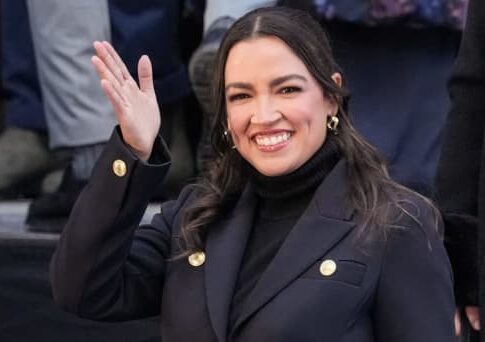
Rep. Alexandria Ocasio-Cortez delivered a rambling, non-committal response when asked about defending Taiwan from Chinese invasion during her debut at the Munich Security Conference, raising questions about her foreign policy readiness as she positions for a potential 2028 presidential run.
Evasive Response on Critical Taiwan Question
When asked whether the United States should send troops to defend Taiwan if China invaded, Ocasio-Cortez offered a 40-second response filled with verbal stumbles and no clear answer. The New York Democrat said the issue represented “a very long-standing policy of the United States” and expressed hope to “avoid any such confrontation.” She concluded her remarks without providing the yes-or-no answer sought by the interviewer, leaving America’s commitment to Taiwan unclear in her view.
The Munich Security Conference serves as the world’s premier forum for international security policy discussions. Ocasio-Cortez’s appearance marked her first major global stage debut, but her performance highlighted her admitted limitations in foreign policy expertise. During her 2018 congressional campaign, she acknowledged to reporters that she was “not the expert in geopolitics” when pressed about her controversial statements regarding Israel and Palestine.
Presidential Ambitions Surface Despite Foreign Policy Gaps
Ocasio-Cortez also declined to rule out a 2028 presidential bid when a New York Times reporter framed a question with “when you run for president.” Asked about implementing a wealth tax as president, the 36-year-old congresswoman responded that “we don’t have to wait for any one president” to impose such policies. Her age makes 2028 the first election cycle in which she would be constitutionally eligible to seek the presidency.
Domestic Focus Versus Global Leadership Demands
The congresswoman’s background centers on domestic economic issues rather than international relations. As a self-described socialist and ally of Bernie Sanders, Ocasio-Cortez has built her political brand around progressive economic policies and social justice causes. Her Munich appearance exposed the gap between her domestic policy comfort zone and the foreign policy expertise required for presidential leadership. The Taiwan question particularly highlighted this challenge, as the island’s defense represents one of the most consequential potential flash points between the United States and China in the coming decade.