
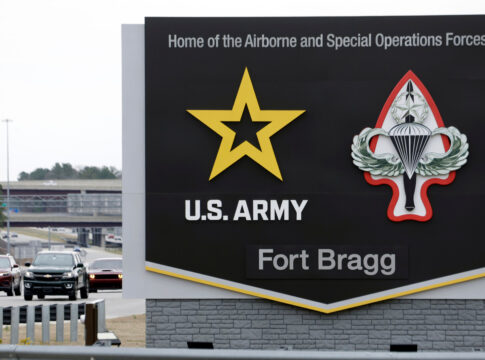
A former Fort Bragg employee faces federal charges after allegedly leaking highly sensitive military information about America’s elite Delta Force to a journalist who published the classified material in a widely-promoted book.
Former Military Worker Faces Federal Charges
Courtney Williams, who worked at Fort Bragg in North Carolina, was arrested and taken into federal custody on April 9, 2026. Federal prosecutors charged her with transmitting national defense information to investigative journalist Seth Harp for his 2025 book titled ‘The Fort Bragg Cartel.’ The criminal complaint alleges Williams shared classified details about alleged misconduct and abuse within one of the Army’s most sophisticated special operations units. Harp has publicly discussed the book’s contents on multiple national media platforms since its publication.
According to federal prosecutors, Williams exchanged approximately 180 text messages and conducted over 10 hours of phone conversations with the journalist between 2022 and 2025. Former U.S. Attorney Michael Easley Jr. emphasized the gravity of the alleged breach, noting that Delta Force handles some of the nation’s most sensitive matters as one of the world’s most sophisticated military units. Williams signed a Classified Information Nondisclosure Agreement when hired, making her legally bound to protect sensitive information.
Prosecution Points to Damaging Evidence
Federal investigators uncovered a text message allegedly sent by Williams stating, ‘I might actually get arrested for disclosing classified information.’ Easley, now a defense attorney, said prosecutors will likely use this message to demonstrate Williams knew the information was classified and understood the consequences of sharing it. The government contends her discussions with the journalist went far beyond what she was legally permitted to share, regardless of any alleged misconduct she may have witnessed.
Defense Strategy and Legal Implications
Easley anticipates Williams’ defense team will attempt to portray her as a whistleblower trying to expose wrongdoing within the armed forces. However, he noted a critical tension exists between speaking up about misconduct and following proper legal channels. Federal law provides specific avenues for reporting concerns within the military and government without compromising national security. The case highlights the balance between transparency and protecting classified information that could potentially endanger military personnel and operations. Williams could face significant prison time if convicted of transmitting national defense information.