
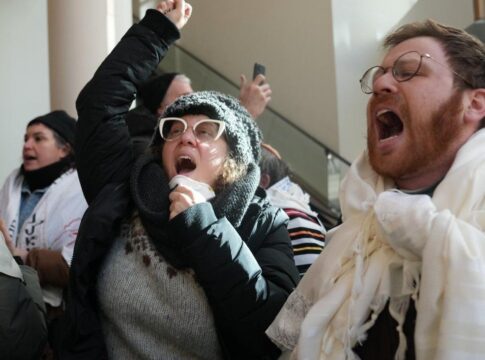
Political demonstrations inside American houses of worship represent a dramatic departure from traditional civil disobedience, even as religious communities have historically led social movements throughout the nation’s history.
Sacred Spaces, Political Tensions
Recent protests targeting federal immigration enforcement have spilled into religious sanctuaries, marking an unusual escalation in civil disobedience tactics. While American churches, synagogues, and mosques have long served as organizing centers for social justice movements, actual demonstrations within worship spaces remain extremely rare. This shift reflects growing tensions over immigration policy and sanctuary city protections across the United States.
The Minneapolis protests against federal immigration agents on January 23, 2026, exemplify how activists are expanding their tactics beyond traditional venues. These demonstrations challenge the conventional boundaries between religious sanctuary and political activism, raising questions about the appropriate use of sacred spaces for civil disobedience.
Historical Context of Religious Activism
American religious institutions have played pivotal roles in major social movements, from abolition to civil rights to anti-war protests. Churches provided meeting spaces, organizational support, and moral authority for these causes. However, the sanctuary itself typically remained separate from direct political action. Religious leaders often participated in protests outside their buildings while maintaining the worship space as neutral ground for all congregants.
Constitutional Implications
These developments raise complex First Amendment questions about religious freedom and political expression. Churches traditionally enjoy special protections under constitutional law, but using them as protest venues could potentially alter their legal status. Immigration advocates argue that sanctuary traditions justify these actions, while critics contend that politicizing worship spaces undermines their spiritual purpose. Federal authorities face delicate decisions about enforcement actions in religious settings, balancing law enforcement duties with respect for religious liberty and community relations.
Sources
Thestar: Protests inside churches are unusual despite long history of civil disobedience in the US