
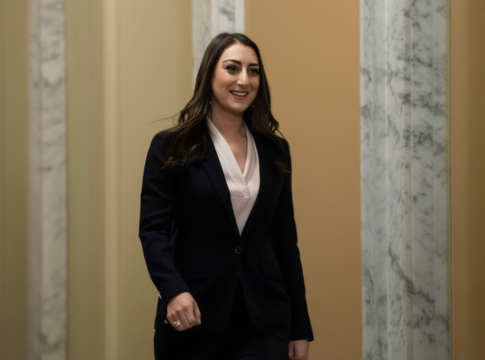
California Representative Sara Jacobs revealed that Congress operates with the same clique-based social dynamics as a high school cafeteria, complete with unofficial seating arrangements and territorial disputes among lawmakers.
Capitol Hill’s Unwritten Seating Rules
During a recent TMZ interview while touring the underground Congressional subway system, Jacobs explained how the House floor maintains strict unofficial seating arrangements despite lacking assigned seats. Groups like “Penn Corner” and “California Row” have claimed specific areas as their territory, enforcing these invisible boundaries with surprising rigidity. The Democratic congresswoman admitted she had to ask a new member to move from an established group’s section that very day.
Rep. Sara Jacobs says Congress is basically like high school.
"Literally today, I had to tell one of our new members, 'You can't sit with us.'" https://t.co/rSZPIWS4OA pic.twitter.com/BlslsZSXlh
— TMZ (@TMZ) February 6, 2026
Jacobs described telling the newcomer they “can’t sit with us,” directly referencing the popular Mean Girls movie quote. This enforcement of unwritten social codes demonstrates how interpersonal politics influence the nation’s legislative chamber beyond formal procedures and party lines.
Congressional Social Structure Mirrors School Experience
The California representative detailed numerous parallels between Congress and high school social structures. New members attend orientation sessions similar to freshman week, receive lottery-based office assignments reminiscent of dormitory room selection, and join various clubs and caucuses that function like extracurricular activities. These informal networks often determine access to information, coalition-building opportunities, and legislative influence.
Implications for Legislative Process
This revelation raises questions about how social dynamics impact serious legislative business in America’s premier democratic institution. When lawmakers organize themselves into exclusive groups based on geography, alma mater connections, or personal relationships, it potentially affects coalition building, bipartisan cooperation, and policy development. The informal power structures Jacobs describes may influence which bills receive attention, how amendments are crafted, and whether meaningful cross-party collaboration occurs on critical national issues.