
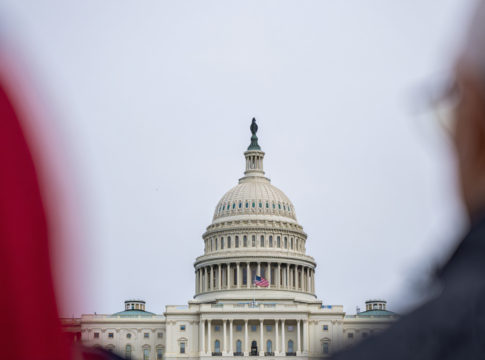
Senate Republicans defeated a Democratic attempt to halt military operations against Iran, delivering President Trump crucial support as the conflict expands across the Middle East without a defined exit strategy.
War Powers Resolution Rejected
Senator Tim Kaine of Virginia sponsored the resolution demanding Congressional authorization for the Iran conflict. The measure failed along party lines Wednesday, marking Congress’s first formal vote on hostilities that have rapidly escalated throughout the region. Minority Leader Chuck Schumer and Democratic lawmakers argued the Constitution requires Congressional approval before committing American forces to sustained combat operations overseas. Representative Jason Crow of Colorado, a combat veteran, joined House Democrats demanding proper authorization under the War Powers Act.
GOP Leadership Stands Firm
Speaker Mike Johnson led Republican leadership in defending the administration’s Iran strategy during a Capitol Hill press conference. GOP senators rejected claims that Trump exceeded executive authority, pointing to ongoing threats against American interests in the Middle East. The vote demonstrates significant Republican unity behind the president’s foreign policy approach despite Democratic warnings about mission creep and unclear objectives. Pennsylvania Senator John Fetterman arrived for the vote as Democrats tried to build bipartisan pressure for Congressional oversight of expanding military commitments.
Constitutional Powers Tested
The failed resolution represents an extraordinary Congressional test over war-making authority as hostilities spread beyond initial targets. Democrats invoked the War Powers Resolution of 1973, designed to check presidential military action without legislative consent. Republicans countered that the Commander-in-Chief possesses constitutional authority to protect American forces and interests from Iranian aggression. The debate reflects longstanding tension between the executive and legislative branches over who controls decisions to commit troops abroad. With military operations continuing, further Congressional battles over funding and authorization appear inevitable as the conflict’s scope and duration remain uncertain.