
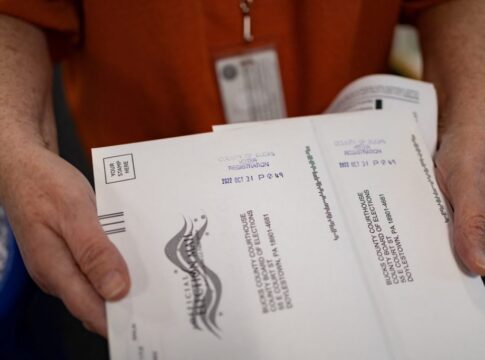
The Supreme Court heard arguments in a case that could fundamentally alter how millions of Americans vote in this fall’s midterm elections, with justices appearing divided along ideological lines on whether mail-in ballots arriving after Election Day should count.
Republican Challenge to Ballot Counting Rules
The Republican National Committee is challenging procedures in 14 states and the District of Columbia that allow election officials to count mail-in ballots received after Election Day, provided they are postmarked by Election Day. The RNC argues this practice undermines public trust in elections and violates federal law establishing a specific election date. Conservative justices appeared sympathetic to the argument that Election Day means all voting activity must conclude on that particular day.
Justice Samuel Alito emphasized that holidays like Memorial Day and Independence Day refer to specific days, suggesting Election Day should follow the same interpretation. The RNC contends that federal law setting the election date should override state laws allowing extended ballot receipt deadlines. If the court sides with Republicans, voting rules could change dramatically just months before the midterms.
Liberal Justices Defend Established Practices
Justice Ketanji Brown Jackson countered that the concept of votes being cast by Election Day and counted afterward represents longstanding American tradition, not a novel Mississippi invention. Liberal justices noted that post-Election Day ballot deadlines have existed in various states for years without constitutional controversy. Election law scholar Nate Persily from Stanford University explained that Republicans argue federal law establishing a specific election date must trump state laws, creating a fundamental conflict over which level of government controls election procedures.
Partisan Divide Over Mail Voting
The case reflects growing partisan polarization over mail-in voting that has intensified over the past decade. Republicans have increasingly questioned mail ballot security and pushed for stricter voting deadlines, while Democrats defend expanded mail voting access as necessary for voter participation. The timing of the Supreme Court decision could prove critical, with potential rule changes affecting how states conduct elections just months away. The justices’ ideological split suggests the conservative majority could deliver a victory for Republicans seeking tighter ballot receipt deadlines nationwide.