
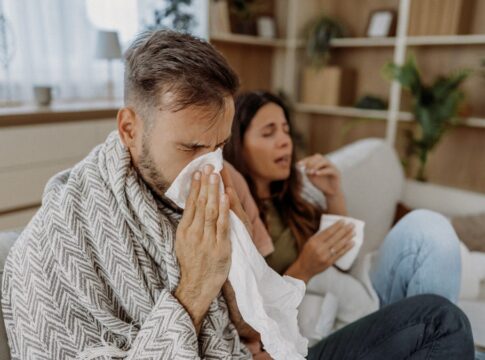
The flu season has arrived months earlier than usual, with the Centers for Disease Control and Prevention reporting rising infections across all 50 states in early October—a level of activity typically not seen until December or January.
Unusual Early Surge Catches Health Officials’ Attention
Dr. Carla Garcia Carreno, an Infectious Disease Specialist at Children’s Health in Texas, confirmed the unprecedented timing. She told reporters that over the past two weeks of early October, she witnessed a noticeable increase in Influenza A cases. The specialist emphasized this represents an unusual early start to the influenza season, departing from the typical pattern where cases begin rising at year’s end with peaks occurring in late winter months.
Wastewater data from WasteWaterSCAN, a Stanford University tracking tool, categorized flu activity as high nationally. The data reveals the earliest flu season onset in at least four years. Samples testing positive for influenza A reached 60 percent for October as of the 13th, compared to just 20 percent during the same period in 2025. The West Coast faces the highest activity levels, particularly in Arizona, California, Hawaii, Nevada, Alaska, Idaho, Oregon, and Washington.


Dominant Strain and Health Recommendations
Influenza A currently dominates as the primary circulating strain. The specific subclade A(H1N1)pdm09 has been most frequently detected this season—the same strain that caused the 2009 swine flu pandemic, though it now represents a typical seasonal flu variant. Symptoms include fever, cough, runny nose, body aches, and fatigue. Health authorities stress that traditional prevention methods remain most effective against this respiratory virus.
The CDC emphasizes washing hands with hot, soapy water for at least 20 seconds, particularly before and after eating, handling food, using bathrooms, and encountering sick individuals or contaminated surfaces. Health officials recommend avoiding shared utensils, staying home when ill, and limiting large indoor gatherings. These precautions prove especially critical for high-risk populations including children, elderly individuals, pregnant women, and those with underlying conditions like obesity and diabetes.
What Families Should Know
The early arrival means families may face illness concerns during fall activities and holiday planning. While CDC wastewater tracking experienced a brief data gap due to contractor changes, available information suggests Americans should remain vigilant about flu prevention measures throughout the coming months. Health experts continue monitoring the situation as the season progresses into traditional peak periods.