
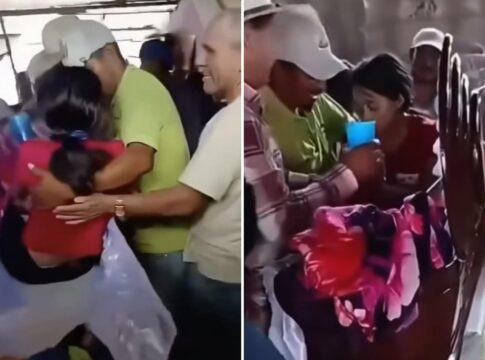
A 15-year-old girl in Guatemala shocked mourners when she suddenly sat upright inside her coffin during her own funeral, exposing a disturbing reality: no medical professional had ever confirmed her death before her family placed her in a casket just eight hours after she collapsed.
Father Declares Death Without Medical Confirmation
Yuleidy Ixcotoyac lost consciousness Saturday morning while her father, Abraham Ixcotoyac, an evangelical pastor, drove her to a medical center. The father stopped the vehicle and checked for vital signs. Finding no pulse or breathing, he declared his daughter dead on the spot and turned the car around without ever reaching the hospital. No death certificate was issued, and no physician examined the teenager.
Following local burial customs that favor quick interment, the family purchased a coffin immediately. By 2:30 that afternoon, mourners had gathered at the family home in the rural village of El Jocote for the funeral service. The rush from collapse to casket took just eight hours, with no medical oversight at any stage of the process.


Mother Notices Movement Inside Casket
During the wake, Yuleidy’s mother, Lesvia Rios, leaned over the wooden coffin while crying and noticed faint movement through the casket window. She insisted her daughter was alive despite objections from others present. When family members opened the coffin, the teenager suddenly sat up, dressed in a pink shirt, and began speaking. Stunned relatives helped her out and offered water as cries of grief transformed into shouts of celebration.
The girl later described experiencing severe chest pain before losing consciousness. She said her heart felt heavy moments before she blacked out. Yuleidy is now recovering at home and expressed gratitude for her survival. Video footage of the incident circulated widely on social media, drawing hundreds of comments questioning how a funeral proceeded without medical verification of death.
Questions About Rural Medical Protocols
The incident highlights concerns about death confirmation procedures in remote Guatemalan communities where access to medical facilities remains limited. Critics noted the dangerous precedent of allowing non-medical personnel to declare death, particularly when the individual was being transported for treatment. Guatemalan health authorities have not issued any statement regarding the case or whether any investigation into the protocols followed will take place. The teenager’s near-burial alive has sparked discussions about the need for mandatory medical certification before burial proceedings can begin.