
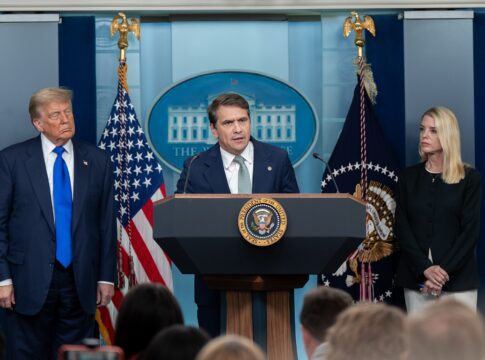
The Southern Poverty Law Center fired back against its federal indictment, claiming the Justice Department knows full well the organization’s paid informants helped put violent extremists behind bars—directly contradicting statements made by Acting Attorney General Todd Blanche on national television.
Organization Challenges DOJ’s Public Claims
The SPLC filed court papers Tuesday demanding the Justice Department correct Blanche’s April 21 statement on Fox News, where he claimed the organization never shared intelligence with law enforcement. The group’s lawyers assert they provided the DOJ with clear evidence of their cooperation just two weeks before prosecutors announced criminal charges. The indictment alleges the SPLC hid from donors that it paid over three million dollars to informants embedded in hate groups like the Ku Klux Klan.
Blanche told viewers on The Ingraham Angle that investigators found no information suggesting the SPLC shared what it learned from paid informants with federal agents. The organization now claims this statement misled the grand jury that returned the indictment. According to court filings, the SPLC asked Blanche to issue a correction but received no response, prompting the formal motion requesting judicial intervention to force the DOJ to set the record straight.
Convictions Tied to SPLC Intelligence
The SPLC points to concrete results from its informant program, including the conviction of an Atomwaffen Division member who planned a major terrorist attack against Las Vegas citizens. Court documents describe how close the individual came to executing mass violence before informant-supplied intelligence stopped the plot. That extremist pleaded guilty and now sits in federal prison. The organization claims its informants contributed to at least two successful prosecutions in recent years, contradicting the DOJ’s characterization of the program as benefiting hate groups rather than dismantling them.
What This Means
The dispute raises questions about whether federal prosecutors presented complete information to the grand jury before seeking charges. If the SPLC’s claims prove accurate, the indictment could face serious challenges based on prosecutorial conduct. The case highlights tension between nonprofit activism and law enforcement cooperation, with potential implications for how advocacy organizations work with federal agencies. The Justice Department has not responded to requests for comment on the SPLC’s motion or the alleged mischaracterization of the intelligence-sharing relationship.