
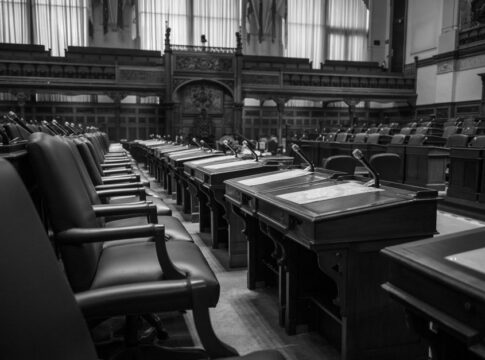
The West Virginia House of Delegates formally requested Governor Patrick Morrisey call a special legislative session to consider removing Delegate Elliott Pritt from office following his arrest on charges related to alleged sexual misconduct with a minor.
House Takes Unprecedented Action
State representatives submitted an official petition asking the governor to convene lawmakers specifically to address Pritt’s removal. The formal request represents a rare move by the legislative body, signaling the severity with which House members view the allegations against their colleague. The arrest earlier this week triggered immediate calls for accountability from both sides of the aisle.
Special sessions in West Virginia require gubernatorial approval and are typically reserved for urgent matters requiring immediate legislative attention. The House’s formal request puts pressure on Governor Morrisey to act swiftly on a situation that has drawn statewide attention. The delegate’s continued presence in office has become untenable for many lawmakers who believe the charges warrant immediate consideration of removal.
Criminal Charges Filed
Law enforcement officials arrested Pritt following an investigation into alleged sexual conduct involving a minor. The probe resulted in criminal charges being filed against the sitting delegate, though specific details of the allegations remain sealed due to the ongoing nature of the case and the involvement of a minor victim. State police worked with prosecutors to build the case before making the arrest.
The timing of the arrest during the interim period between legislative sessions complicated the immediate response options available to House leadership. Under normal circumstances, the full chamber would not reconvene until the next regular session, potentially leaving Pritt in office for months despite the serious criminal charges. This reality drove the push for extraordinary action through a special session.
Constitutional Questions Emerge
The request raises significant constitutional questions about the process for removing a sitting legislator in West Virginia. State law provides mechanisms for expulsion, but such actions are extremely rare and require careful adherence to due process protections. Legal experts note that lawmakers must balance swift action with ensuring Pritt’s constitutional rights remain protected throughout any removal proceedings.
The case has drawn comparisons to previous instances where state legislators faced criminal charges while in office. West Virginia’s Constitution grants the legislature authority to discipline its own members, including expulsion for serious misconduct. However, the specific procedures and standards applied in such cases have evolved through precedent rather than explicit statutory guidance, creating uncertainty about how proceedings might unfold if the governor agrees to call the special session.