
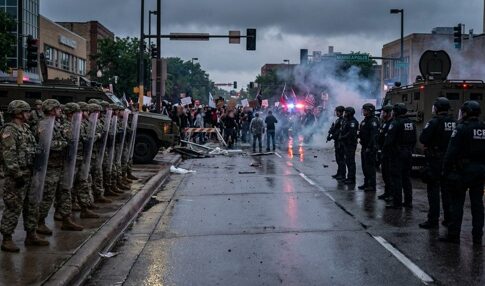
A deadly Minneapolis ICE shooting has exposed a troubling web of organized resistance networks that may be putting American lives at risk in ways most citizens never imagined.
The Making of an Activist Network
ICE Watch represents more than casual community organizing. This Minneapolis-based coalition has developed sophisticated tactics for tracking, monitoring, and disrupting federal immigration operations. Members reportedly follow ICE vehicles, document enforcement activities, and use their own cars to block or slow agents during operations. What started as community defense has evolved into something federal authorities now view as coordinated interference with law enforcement.
The network’s connection to a South Minneapolis charter school with a strong social justice focus raises questions about how activist recruitment occurs within educational institutions. Parents and staff allegedly participate in these monitoring operations, suggesting a broader institutional support system than previously understood.
Two Versions of Renee Good
The stark contradiction in how Renee Good is portrayed reveals the dangerous information warfare surrounding immigration enforcement. Federal officials and right-leaning sources describe her as an anti-ICE “warrior” who had spent the morning harassing agents before using her SUV as a weapon. DHS Secretary Kristi Noem emphasized that Good and her associates had been following and harassing agents prior to the fatal confrontation.
Her family paints an entirely different picture. They describe a devout Christian who won creative writing awards, hosted podcasts, and had never participated in protests of any kind. Her ex-husband adamantly disputes the terrorist framing, calling it a smear against a woman focused on parenting and faith. This disconnect suggests either a sophisticated activist who successfully compartmentalized her activities, or a tragic case of mistaken identity during a chaotic enforcement operation.
The Vehicle Weapon Precedent
The federal government’s heightened concern about vehicle attacks on law enforcement provides crucial context for understanding this shooting. DHS has documented a sharp rise in vehicle-related attacks on federal agents, making officers increasingly sensitive to vehicular threats. When Good’s SUV moved toward the positioned ICE officer, it triggered a use-of-force response based on this threat assessment framework.
Bystander video shows an ICE officer at Good’s driver-side door demanding she exit, while another officer positioned in front of her vehicle fired at least two shots through the windshield as she began moving forward. The timing and positioning suggest agents were attempting to prevent what they perceived as an imminent vehicular assault, though the family maintains she was simply trying to drive away from the confrontation.
Political Weaponization and Federal Response
Vice President JD Vance’s characterization of Good as part of a “broader left-wing network” whose goal is attacking ICE officers signals an aggressive federal posture toward organized resistance activities. This rhetoric suggests the administration views these monitoring networks not as community defense, but as domestic extremist threats requiring enhanced surveillance and prosecution.
The Minneapolis City Council’s demand for ICE to leave the city entirely demonstrates the fundamental clash between federal immigration enforcement and local progressive governance. This institutional opposition creates an environment where confrontations become inevitable, and federal agents operate in openly hostile territory where their authority is actively contested by elected officials.
Sources:
Fox News Live Updates: Minneapolis ICE Shooting
AOL: What’s Really Behind Minneapolis ICE Resistance
Fox San Antonio: Local Activist Groups Reflect on Week of Protests
ABC News: Woman Killed by ICE Agent Was Mother of 3, Poet
The Week: Minneapolis ICE Shooting Victim Labeled Domestic Terrorist, Family Disputes Claims
Anybody, that causes harm to any Federal Officer, should be prosecuted, and the minimum sentence should be at least 5 years, and the person who ends up in prison should also reimburse the prison for there time there, plain and simple.
🎯