
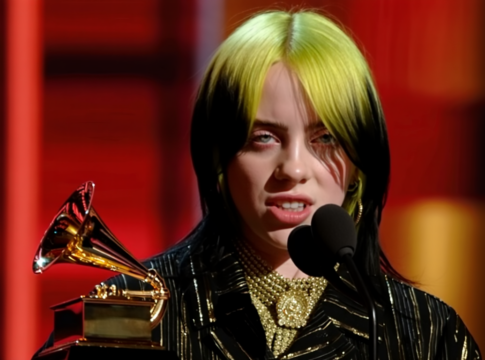
The Tongva tribe, whose ancestral land sits beneath Billie Eilish’s $3 million Los Angeles mansion, has called on the Grammy winner to explicitly name their tribe when making statements about stolen land after her controversial awards show speech.
Tribe Seeks Direct Recognition
Following Eilish’s Grammy acceptance speech, where she shouted profanities at Immigration and Customs Enforcement and declared no one is illegal on stolen land, the Tongva tribe confirmed the 24-year-old singer’s home does indeed sit on their ancestral territory. However, tribal representatives noted that Eilish has never contacted them directly about her property or activism. The indigenous group, known as the First Angelenos and original inhabitants of the Los Angeles Basin, appreciates public figures highlighting historical injustices but wants specific tribal recognition in future discussions.
Native tribe whose land Billie Eilish’s mansion sits on say she has NOT reached out to them, after her “stolen land” comments.
“We do understand that her home is situated in our ancestral land…Eilish has not contacted our tribe directly regarding her property.” – Tongva Tribe pic.twitter.com/KFZKl3WD4l
— Oli London (@OliLondonTV) February 3, 2026
A Tongva spokesperson told media outlets the tribe values when celebrities provide visibility to American history, expressing hope that future references will explicitly name the Gabrieleno Tongva territory. This request comes as Eilish faces widespread criticism for her Grammy stage outburst while maintaining ownership of expensive property on the very land she claims was stolen.
Political Backlash Intensifies
Republican leaders quickly responded to Eilish’s comments with pointed criticism about the apparent contradiction. Florida Governor Ron DeSantis suggested the singer should forfeit her Southern California mansion if she truly believes the land was stolen. Utah Senator Mike Lee argued that white public figures making stolen land acknowledgments should immediately transfer their property to Native Americans or admit they lack sincerity. Independent journalist Manny Marotta highlighted that Eilish, worth approximately $50 million, has contributed nothing financially to the original land inhabitants.
NEW: I went to Billie Eilish’s $3m LA pad to see if she practices what she preaches.
STOLEN LAND? EVERYONE’S WELCOME?
Not at Billie’s high-security home. Huge walls, security fencing, cameras and MASSIVE front gate.
Rules for thee but not for me 🤔 pic.twitter.com/jzIEtVoDp3
— Ben Leo (@benleo444) February 4, 2026
What This Means
The Tongva response highlights a broader issue about celebrity activism and meaningful engagement with indigenous communities. While the tribe appreciates increased awareness of their history and land rights, they emphasize the importance of direct communication and specific tribal recognition rather than generic statements. The controversy underscores questions about whether wealthy entertainers who own property on ancestral lands should take concrete actions beyond public declarations to support indigenous communities and their causes.
Make them fight among themselves and the issue is moot.
Billie Eilish————is 100% hypocrite!
I totally agree with you. Most of them are.