
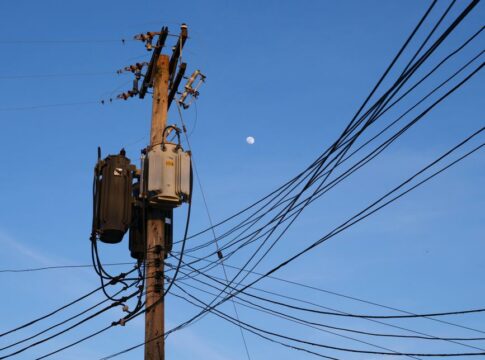
NIPSCO, Indiana’s highest-rate electrical utility, now confronts a class-action lawsuit alleging the company’s failure to maintain vegetation around power lines left thousands without electricity for weeks after devastating August storms.
Residents Detail Extended Hardship
Porter County resident Jack Tipold represents one of several plaintiffs whose lives were disrupted when power failures cascaded across northwest Indiana. Tipold was undergoing dental surgery—teeth extraction requiring imaging and implants—when his dentist’s office lost electricity. Without backup generators, the facility sent him home to a powerless house with no way to ice his surgical wounds. His experience captures the widespread inconvenience affecting more than 400,000 customers initially after the August 11 storms.
As of late August, over 40,000 residents remained without power, with some facing the prospect of darkness extending into the following week. The prolonged outages have raised serious questions about NIPSCO’s preparedness and maintenance protocols, particularly regarding tree management near power infrastructure.
Utility Defends Vegetation Management
NIPSCO strongly disputes the lawsuit’s allegations, stating the company maintains an active vegetation management program. The utility reports spending on tree trimming and maintenance has more than doubled since 2016. Company officials acknowledge that falling trees contributed significantly to the region’s outages, with NISOURCE Executive Vice President Melody Birmingham citing trees, infrastructure damage, and access challenges as complicating factors in restoration efforts.
The company’s website claims regular tree trimming ensures safe and reliable power delivery. NIPSCO representatives emphasized their focus remains on safely restoring service to affected customers as quickly as possible, while maintaining established procedures for electric system maintenance.
What This Means
Attorney Otto Shragal, representing the plaintiffs, argues that electrical utilities universally recognize downed trees and vegetation as primary causes of power failures. He contends that certain tree species regrow into power lines within five years, yet NIPSCO operates reactively rather than implementing proactive trimming on recommended five-to-seven-year cycles. The lawsuit seeks both enforcement of systematic vegetation management and financial damages for impacted residents. According to Indiana’s Utility Regulatory Commission, NIPSCO already charges the state’s highest electrical rates, adding weight to consumer frustrations over extended service interruptions.