
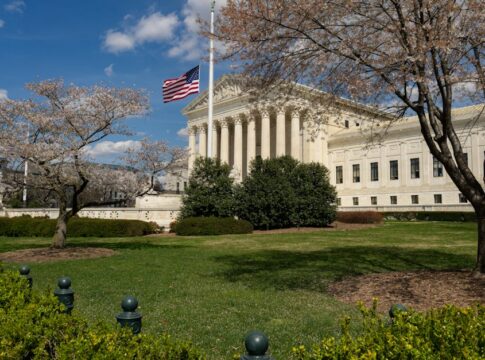
The Supreme Court delivered a unanimous 8-0 victory to oil and gas companies on Friday, moving environmental lawsuits out of Louisiana state courts and into federal jurisdiction, where energy firms historically face friendlier judges and juries.
Federal Courts Now Control Coastal Damage Cases
Justice Clarence Thomas wrote the majority opinion supporting Chevron and other energy companies, who argued their World War II-era work drilling and dredging in Louisiana should be tried in federal court rather than state venues. The Trump administration backed the companies’ position. The decision overturns a 2024 Fifth Circuit ruling and affects roughly one-quarter of the dozens of lawsuits filed against major oil corporations in 2013. Congress has long permitted federal jurisdiction for cases involving government contractors performing wartime operations, Thomas noted in his ruling.
Louisiana Leaders Vow to Continue Fight
The litigation has crossed typical political lines in Louisiana. Republican Governor Jeff Landry supported these lawsuits when serving as attorney general, despite his longtime backing of the oil and gas industry. Republican Attorney General Liz Murrill pointed out that a substantial jury award came from one of the most conservative, pro-energy communities in the state. Attorney John Carmouche, representing local Louisiana leaders, promised the venue change will not stop efforts to hold energy companies accountable for coastal destruction.
Decades of Environmental Damage at Stake
Jurors in Plaquemines Parish previously found that Texaco, which Chevron acquired in 2001, violated Louisiana coastal regulations for decades by failing to restore wetlands damaged through dredging canals, drilling operations, and billions of gallons of wastewater dumped into marshlands. Anne Rolfes, director of the Louisiana Bucket Brigade environmental group, called the Supreme Court decision a bump in the road for holding the industry responsible for pipelines and canals that carved up natural coastlines, leaving residents more vulnerable to hurricanes. Chevron denies responsibility for land loss and argues it cannot be sued for work completed before state environmental regulations existed. Justice Samuel Alito recused himself from the case due to financial ties to ConocoPhillips.