
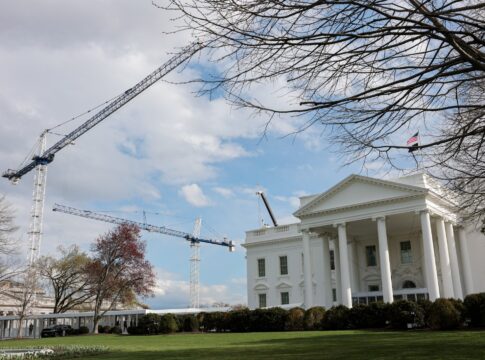
President Donald Trump filed an emergency motion demanding that federal courts allow completion of his controversial White House ballroom project, claiming national security risks from the massive excavation site already underway beside the executive mansion.
National Security Defense Mounted
Trump administration lawyers called Judge Richard Leon’s construction halt “shocking, unprecedented, and improper” in Friday’s filing. The motion argued that court-ordered suspension left dangerous “deep Top Secret excavations” exposed next to the White House, creating security vulnerabilities for the President, his family, and staff. Construction documents reveal plans for drone-proof roofing and blast-resistant glass designed to protect against modern threats to the executive residence.
The legal battle began after Trump demolished the historic East Wing in October, breaking his July promise to preserve the 1902 structure. The abrupt reversal sparked nationwide outcry from preservation advocates who had trusted Trump’s assurances that his Mar-a-Lago-inspired ballroom would stand separately without touching existing buildings. The National Trust for Historic Preservation filed suit in December, arguing the administration bypassed required congressional authorization for such transformative changes to the White House complex.
Judge Rejects Security Claims
Judge Leon, appointed by President George W. Bush, issued a temporary injunction on March 31 after reviewing the trust’s arguments. His 35-page ruling dismissed the administration’s security concerns as “grasping for straws,” noting the “large hole” problem was entirely “of the President’s own making.” Leon wrote that Trump serves as steward of the White House for future generations, not as owner, and cannot use national security claims to bypass legal requirements or avoid judicial oversight.
What Happens Next
The emergency motion sets up a constitutional showdown over presidential authority to modify America’s most iconic residence. Leon’s ruling included a grace period allowing Trump time to appeal before the injunction takes full effect. The judge permitted limited construction to secure the existing excavation site, acknowledging immediate safety concerns while maintaining his position that proper legal procedures must be followed. Trump’s long-held ambition to reshape Washington monuments and buildings now faces its most significant legal test as courts weigh executive power against congressional authority and historic preservation law.