
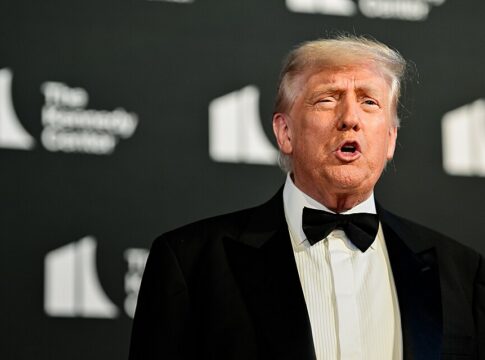
A federal judge has halted President Trump’s plan to temporarily close the Kennedy Center for renovations and ordered the removal of Trump’s name from the building, sparking a direct constitutional clash over congressional versus executive authority.
Judge Blocks Two-Year Renovation Plan
US District Judge Christopher Cooper, appointed by former President Obama, issued a 94-page ruling Friday blocking the scheduled July 4, 2026, closure of the Kennedy Center. The decision came in response to a lawsuit filed by Democrat Ohio Congressman Joyce Beatty, an ex officio member of the Kennedy Center Board of Trustees. Deep State attorney Norm Eisen led the legal challenge and celebrated the victory on social media.
Judge Cooper declared that renaming the facility violated federal law, writing that Congress gave the Kennedy Center its name and only Congress holds authority to change it. The ruling directly contradicts the unanimous decision by the 36-member Board of Trustees, which voted to add Trump’s name to the building after electing him as Board Chair last year.
Trump’s Renovation Vision Derailed
President Trump had announced the closure in February after a comprehensive one-year review involving contractors, musical experts, art institutions, and other consultants. The plan called for a complete two-year shutdown to transform what Trump described as a tired, broken, and dilapidated facility into the finest performing arts center in the world. Trump emphasized that partial construction during ongoing performances would produce inferior results and take significantly longer to complete.
The financing for the ambitious renovation project was already secured and in place. Trump’s statement detailed how years of neglect, decay, and poor maintenance had left the Kennedy Center in deteriorating structural and financial condition, requiring comprehensive rebuilding rather than superficial repairs.
Constitutional Battle Ahead
President Trump responded sharply to the ruling, criticizing Judge Cooper’s decision and announcing plans to work with Congress to transfer control of the Kennedy Center back to the legislative branch. Trump expressed shock that the court would prevent necessary renovations to a facility suffering from years of documented neglect. The President’s statement suggested he would pursue congressional action to resolve the naming dispute and enable the planned transformation of the center.
The case highlights broader tensions between executive authority and judicial oversight, particularly regarding presidentially-appointed judges blocking administration initiatives. The Kennedy Center’s future now depends on potential congressional intervention or appeals of Cooper’s ruling.