
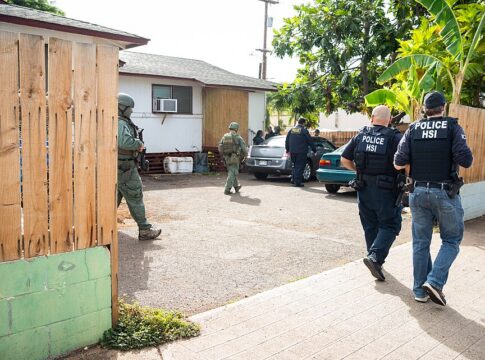
A Chicago homeowner has filed a federal lawsuit against the government after Border Patrol agents entered his property without a warrant during an immigration raid, an incident captured entirely on camera and now raising serious constitutional questions about federal overreach.
The October Incident That Sparked Legal Action
Leo Feler’s lawsuit stems from an October 24 incident at his Lakeview property where construction workers were present. Border Patrol agents climbed a five-foot wrought-iron fence to access the property despite repeated warnings from both Feler and his tenant that they lacked permission and a warrant. Ring camera footage shows residents clearly stating agents had no authority to enter the private property. The confrontation drew neighbors into the street in support of the homeowner.
Body-worn camera footage reveals agents moved throughout the home, eventually taking one man into custody. That individual had no criminal record and was released three weeks later. Feler alleges the operation caused tens of thousands of dollars in property damage to his home. The footage also captured agents discussing the use of gas during the operation, raising additional concerns about the tactics employed.
Constitutional Rights Under Fire
The Institute for Justice, representing Feler, argues the warrantless entry violated constitutional protections against unreasonable searches. Attorney Dylan Moore stated that hiring construction workers does not constitute an invitation for federal agents to raid a home. The lawsuit challenges whether immigration enforcement authority overrides Fourth Amendment protections requiring warrants for home searches. Feler maintains there was nothing illegal occurring on his property, just routine construction work.
When Feler attempted to file police reports about the incident, he received a call from the central district indicating they would not investigate. He was told they had been instructed not to pursue the matter, leaving him with no local law enforcement recourse for what he considers a violation of his property rights.
What This Means
The case tests the boundaries of federal immigration enforcement powers versus constitutional property rights. Attorney Patrick Jaicomo emphasized that citizens cannot rely on the federal government to hold itself accountable. The lawsuit seeks compensation for property damage and aims to establish accountability for warrantless entries. Neither the Department of Justice nor the Department of Homeland Security has commented on the lawsuit. The federal government has 21 days to respond to the complaint or file a motion to dismiss. U.S. Customs and Border Protection defended the operation, stating immigration officers act within constitutional authority when investigating immigration status and making enforcement decisions.