
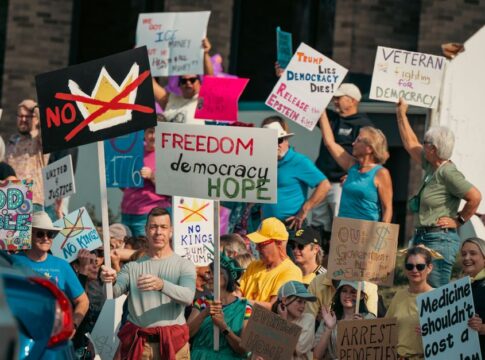
Federal courts have sentenced anti-immigration enforcement protesters to multi-decade prison terms in what marks an escalating government response to demonstrations targeting Immigration and Customs Enforcement operations across the country.
Heavy Sentences Target Immigration Activists
Multiple protesters who participated in actions against ICE facilities now face prison sentences spanning decades, according to recent court proceedings. The sentencing represents a significant departure from typical penalties for protest-related activities and signals a hardline approach to demonstrations that interfere with federal immigration enforcement operations. Legal experts note the sentences exceed those traditionally imposed for similar acts of civil disobedience in previous decades.
The cases involve individuals who blocked access to immigration detention centers, disrupted deportation proceedings, and organized direct action campaigns aimed at preventing ICE from carrying out enforcement activities. Federal prosecutors argued the defendants’ actions went beyond protected First Amendment expression and crossed into criminal obstruction of lawful government functions. Defense attorneys contended the lengthy sentences violate constitutional protections for political speech and assembly.
Broader Pattern Of Enforcement
This sentencing wave follows increased federal prosecution of activists who target government immigration operations. The Justice Department has prioritized cases involving interference with ICE activities, treating them as matters of national security rather than standard protest incidents. Prosecutors have successfully argued for enhanced penalties by characterizing the protests as systematic campaigns to undermine federal law enforcement rather than isolated demonstrations.
Civil liberties organizations have raised concerns about the chilling effect such sentences may have on legitimate political protest. Critics argue the harsh penalties disproportionately target immigration activists while similar actions by other protest movements receive minimal punishment. Some legal scholars warn the disparity in sentencing could discourage Americans from exercising constitutional rights to petition the government and engage in political dissent.
Constitutional Questions Emerge
The cases raise fundamental questions about the balance between immigration enforcement and First Amendment protections. Federal judges have upheld the sentences by distinguishing between lawful protest and actions that physically prevent government officials from performing statutory duties. However, appellate courts may face pressure to review whether the penalties comport with constitutional standards for proportional punishment and free expression rights guaranteed under the Bill of Rights.
It’s about time that criminals protesting in support of other criminals to the extent of interfering with sworn federal agents enforcing the immigration law of the United States of America, are arrested, tried, and if convicted, sentenced to the maximum penalties that the law allows. Only then will the United States be able to rectify four years of heinous immigration policies by the Biden/Harris administration.