
A federal judge ordered Immigration and Customs Enforcement to release a nursing mother from detention after the agency held her for three months despite its own policy prohibiting the detention of postpartum and nursing women.
Traffic Stop Leads to Three-Month Detention
Karina Alvarez San Juan was arrested during a traffic stop for an allegedly broken taillight in Florida in May. The mother of four, including a three-month-old infant she was still nursing, was transferred to an ICE detention facility in Louisiana three days after her arrest. Her attorney, Michelle Borton, was not notified of the transfer. San Juan remained locked up more than 1,000 miles from her family for over three months while her six-month-old and three other children, all United States citizens, remained in Florida.
Louisiana District Judge David Joseph, appointed by President Trump in 2020, ruled that immigration officials violated their own detention policy and failed to justify why San Juan should remain in custody. The judge had previously ordered ICE to explain her continued detention given the agency’s guidelines against holding pregnant, postpartum, or nursing individuals.
ICE Policy Requires Release in Most Cases
Current ICE policy states that agents should not detain individuals known to be pregnant, postpartum, or nursing for administrative immigration violations unless exceptional circumstances exist or release is prohibited by law. Officers must also rely on credible information to determine someone’s status and notify supervisors within two hours when such individuals are arrested. Borton informed ICE officials at the time of arrest that her client was nursing a three-month-old baby and pressed for her release under these guidelines.
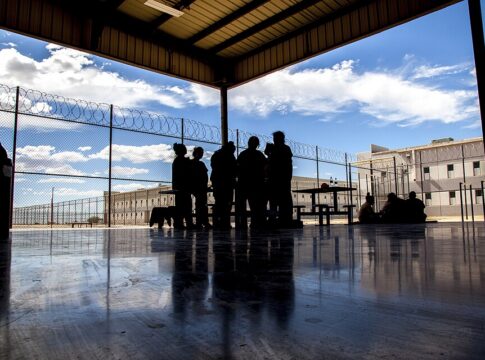
According to Borton, conditions at the South Louisiana Processing Center in Basile are inadequate, with detainees lacking sufficient clean water for basic hygiene. The facility houses San Juan far from her young children and family support network. Borton described her client as distraught, crying during their conversations and facing an uncertain future in Mexico, where she has no remaining family connections.
Broader Questions About Enforcement Priorities
A recent report from the Women’s Refugee Commission and Physicians for Human Rights found that ICE has repeatedly failed to follow its own policies requiring officers to ask arrestees about their children. This ensures parents can make arrangements if they face deportation. The Trump administration revised guidelines for detained parents last year, making changes that have altered how ICE handles family cases. Civil rights organizations have raised concerns about treatment of pregnant detainees and new mothers as enforcement operations increasingly target immigrants with families who have lived in the country for years.
Sources
Yahoo: ICE arrested a nursing mom. A Trump-appointed judge ordered her release three months later