
Law enforcement technology company Flock is mandating new accountability controls across all police departments using its surveillance cameras by year’s end, responding to multiple cases where officers exploited the system to stalk romantic partners and violate citizen privacy.
Officer Abuse Triggers Mandatory Oversight
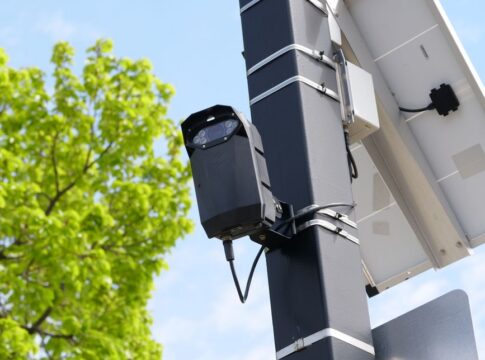
The company’s nationwide network of automated license plate reader cameras, mounted along public roads, captures images of vehicle plates, colors, and characteristics. Recent scandals exposed serious misuse, including a Milwaukee police officer who secretly searched his romantic partner’s location 124 times using the system. These revelations sparked contract cancellations by multiple cities and physical vandalism of cameras by concerned citizens. The abuse cases demonstrate the urgent need for stronger safeguards when police departments access powerful surveillance technology.
Flock CEO Garrett Langley acknowledged his company bears responsibility for addressing widespread distrust in law enforcement. He spent two years speaking with community members who cited repeated police power abuses as their primary concern. The company now requires all customers to activate its Audit Assistance tool, which flags abnormal search behavior by individual officers. When the system detects unusual activity, users face immediate lockout pending administrator review. Previously optional, only one-third of police agencies had enabled this critical oversight feature.
New Requirements Target Accountability Gaps
Police departments must now input case numbers justifying each database search, with exceptions only for genuine emergencies that receive automatic review. Flock is reducing standard data retention from 30 days to seven days, addressing privacy advocate concerns, though agencies can adjust retention periods based on local policies. A new evidence mode feature allows longer data preservation when searches connect to specific case numbers. Local jurisdictions gain authority to restrict how outside agencies access their camera data, potentially blocking searches for immigration enforcement while permitting theft investigations.
Constitutional Privacy Concerns Remain
Despite these reforms, fundamental questions persist about mass surveillance infrastructure and Fourth Amendment protections. The cameras continuously monitor American citizens without warrants or probable cause, creating permanent records of lawful travel. Langley called officer misuse completely unacceptable and advocated for state regulators to mandate accountability across all law enforcement technology. He suggested requiring regular audits and harsher penalties for power abuses. Whether these voluntary corporate controls sufficiently protect constitutional rights or whether comprehensive legislative action becomes necessary remains the critical question facing communities nationwide as surveillance technology expands.