
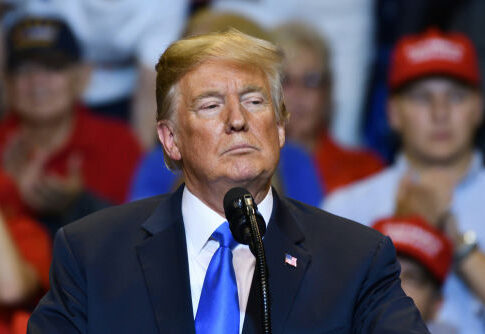
A small bloc of Republican senators is openly defying President Trump’s agenda, giving Democrats leverage and threatening to stall the very rollback of Biden-era excess that conservative voters demanded.
Rebel Republicans Challenge a President Their Voters Just Restored
Within months of Trump’s return to the Oval Office, a small but organized bloc of Republican senators has begun voting against key elements of his agenda, signaling that his influence in the upper chamber is no longer automatic.
These are not lone grandstanders but coordinated institutionalists, electoral pragmatists, and would‑be post‑Trump leaders using carefully targeted floor votes, letters, and public statements to show they will not rubber‑stamp every White House demand, even with Biden finally gone.
These senators have chosen their battles strategically, focusing on issues where they believe Trump’s stance could be framed as risky with suburban voters, foreign policy elites, or major donors. They have broken with the administration on certain foreign policy questions, war‑powers limits, and spending or oversight provisions, often dressing their defiance in the language of constitutional guardianship. The result is a visible “warning shot” that future Republican unity on Trump’s priorities should no longer be taken for granted.
Trump’s Mandate: Roll Back Biden-Era Excess, Face Old GOP Habits
Trump entered 2025 with a clear mandate from frustrated conservatives: shut down Biden’s regulatory sprawl, end DEI and woke indoctrination, close the border, and put America First again. The new administration moved quickly, issuing executive orders to slash Biden‑era bureaucracy, curb open‑borders subsidies, and restore common‑sense priorities in energy, education, and health policy. Those moves thrilled a base sick of inflation, illegal immigration, and executive agencies behaving like ideological enforcement arms instead of neutral regulators.
Yet many Senate Republicans still see themselves as a buffer between any president and the permanent Washington class, including when that president is Trump. Six‑year terms and statewide electorates make them more sensitive to donor unease, foreign policy think tanks, and legacy media narratives than House members or grassroots activists. That institutional mindset, forged during Trump’s first term and the post‑2020 dramas, did not disappear when voters fired Biden. It now fuels cautious resistance whenever senators judge that siding with Trump may invite media firestorms or elite backlash.
Inside the Senate Power Test: Institutions, Donors, and Ambitions
The rebel bloc blends old‑guard institutionalists, political realists, and future presidential hopefuls. Institutionalists argue that they are defending the Senate’s role in confirmations, appropriations, and war powers, insisting that no president should expect blind obedience. Political realists quietly tell donors they are preventing policy “overreach” that could hurt moderates in swing states. Ambitious figures eye a post‑Trump era, using selective breaks to signal independence while still voting with the administration often enough to avoid outright war with the base.
Trump’s core allies in the Senate see these maneuvers very differently. To them, this is the same establishment that tolerated Biden’s border chaos, DEI mandates, and runaway spending, now trying to rein in the only president who has shown he will actually confront those problems. They warn that every high‑profile defection encourages Democrats to court Republican swing votes, weakening Trump’s leverage in negotiations and making it harder to secure harsh measures on immigration, government bloat, and culture‑war fights that matter to conservative families.
What This Means for Conservative Voters Watching from Home
For conservative voters who endured four years of Biden’s inflation, cultural radicalism, and regulatory overreach, this internal GOP skirmish feels familiar—and infuriating. Many remember how Senate Republicans failed to fully dismantle Obamacare and often slow‑walked Trump’s priorities the first time. Now, with Biden gone and Trump again targeting wasteful programs, DEI bureaucracies, and weak border policies, they see a Senate faction signaling it will still decide how far the agenda can go, no matter what voters demanded in November.
The stakes go beyond Trump’s personal standing and reach directly into core conservative priorities: border security, constitutional limits on the administrative state, protection of parental rights, and a serious response to debt and inflation.
If a handful of GOP senators consistently side with Democrats or hide behind vague institutional language, they can dilute or block reforms that would finally rein in Washington. Voters who thought they had turned the page on Biden‑era excess will be watching closely to see whether their own party’s senators stand with them—or with the same old DC pressure machine.
Sources:
Unpacking the December 11, 2025 Executive Order
A long article with no substance. !! Who are these alleged Republican Senators?
A long article with no substance.! Who are these alleged Republican Senators?
Where are the names?
One is Rand Paul. Susan and Liz???
Get the names out there for everybody to see. There are probably a couple more also trying to be kingmakers. If they stall or stop Mr. Trump’s agendas, then Dems just might take back the Senate in addition to a very real chance of flipping the House. Cassidy is my Senator, but his vote to impeach Trump 45 killed any chance of getting my vote. That was a fatal betrayal.
Too many good contenders to choose from in that race.
I have noticed that this website, insidepress goes out of its way to find terrible things about Trump every time they put out their rot! They are also robots!. I am waiting to see if they post this very true post by me under the first amendment or if they violate it – again.