
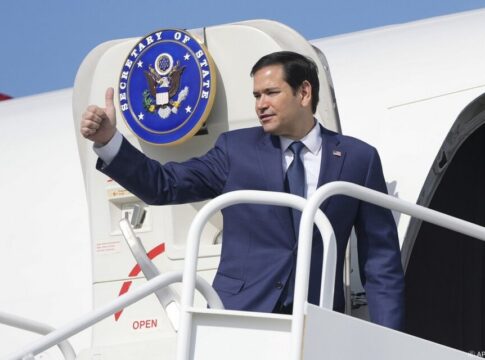
Secretary of State Marco Rubio is pushing for the deportation of a migrant activist detained in Phoenix after criticizing a Colombian presidential candidate allied with President Trump, raising constitutional questions about free speech rights for foreign nationals on American soil.
Detention Following Political Criticism
Immigration authorities arrested Coral Garrido in Phoenix on Tuesday, the same day Rubio issued an official memorandum calling for his removal from the United States. According to documents obtained by the New York Times, Rubio cited Garrido’s political activism supporting Colombian President Gustavo Petro as grounds for deportation. Garrido had publicly opposed Abelardo De La Espriella, a far-right Colombian presidential candidate with close ties to the Trump administration.


The State Department memo argues that Garrido exploited his presence in America to conduct political activities favoring the Petro government. Rubio wrote that allowing Garrido to remain undermines American foreign policy interests in Colombian democratic processes and encourages foreign nationals to use United States platforms for politically motivated campaigns. The memo frames Garrido’s speech as threatening to bilateral relations rather than protected political expression.
Pattern of Immigration Enforcement
This case follows multiple instances during Trump’s second term where migrants and international students faced deportation proceedings after exercising First Amendment speech rights. Last year, Rubio targeted Columbia University student Mahmoud Khalil over anti-genocide activism. Immigration authorities arrested Khalil, who continues fighting deportation through legal channels. Kerry Doyle, who served as top legal counsel for Immigration and Customs Enforcement during the Biden administration, characterized Garrido’s arrest as another assault on migrant free speech protections.
Constitutional Questions
The case highlights ongoing tensions between immigration enforcement priorities and constitutional speech protections. While the First Amendment guarantees free speech rights, the executive branch maintains broad authority over immigration decisions, particularly regarding foreign policy considerations. Legal experts note the administration appears willing to use immigration powers to suppress political speech critical of allied foreign governments. The precedent could affect thousands of foreign students and visa holders who participate in campus activism or political commentary while residing in America. The outcome may determine whether political speech becomes grounds for deportation.