
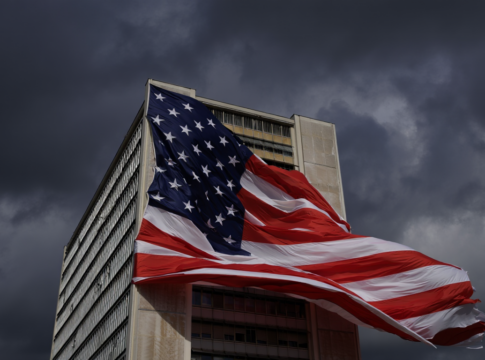
The United States has officially severed its ties with the World Health Organization, marking the end of a partnership that began in 1948 when American officials helped establish the global health agency. The withdrawal, finalized Thursday, comes exactly one year after President Donald Trump announced his intention to pull America out of the international organization.
The decision represents one of the most significant shifts in America’s approach to global health diplomacy in nearly eight decades, with far-reaching implications for both domestic and international public health efforts.
Financial Obligations and Outstanding Issues
The withdrawal leaves behind a complex web of financial and operational challenges. According to WHO records, the United States currently owes more than $130 million to the organization, creating immediate questions about how this debt will be resolved.
Beyond financial obligations, Trump administration officials have acknowledged that several critical issues remain unresolved. Chief among these concerns is the loss of access to international health data that has historically provided American health officials with early warning systems for emerging pandemic threats.
The United States has traditionally been the WHO’s largest financial contributor, providing an average of $111 million annually in mandatory membership dues. Additionally, the U.S. has voluntarily contributed approximately $570 million per year to various WHO programs and initiatives, according to Department of Health and Human Services data.
This substantial financial support has been complemented by significant human resources, with hundreds of American public health experts and Centers for Disease Control and Prevention personnel working directly with WHO operations worldwide.
Administration Justifications and Concerns
Trump administration officials have cited several grievances that led to the withdrawal decision. A primary complaint centers on leadership representation within the organization. Despite America’s substantial financial contributions and personnel support, no American has ever served as the WHO Director-General since the organization’s founding.
Administration officials view this leadership gap as fundamentally unfair, arguing that America’s outsized contributions should translate into greater influence over the organization’s direction and priorities. The WHO has had nine different Directors-General since 1948, with the current leader, Tedros Adhanom Ghebreyesus, hailing from Ethiopia.
i’m sorry america leaves WHO??? https://t.co/f5zhfc9Iz3
— midi/susie (@MidiSusie) January 22, 2026
The decision also reflects broader skepticism within the current administration about multilateral international organizations and their effectiveness in serving American interests.
Expert Analysis and Potential Consequences
Public health experts have expressed grave concerns about the long-term implications of America’s withdrawal. Lawrence Gostin, a prominent public health law expert at Georgetown University, characterized the decision as potentially catastrophic for global health security.
“In my opinion, it’s the most ruinous presidential decision in my lifetime,” Gostin stated, emphasizing the potential damage to both American and global health preparedness.
The withdrawal is expected to significantly impact America’s ability to respond to future health emergencies. Without WHO membership, U.S. scientists and pharmaceutical companies may face substantial obstacles in accessing critical data and coordinating with international partners during health crises.
This isolation could prove particularly problematic for vaccine development and medical research, areas where international collaboration has historically been essential for rapid response to emerging threats.
Global Health Program Implications
The American exit threatens to undermine numerous established global health initiatives that have relied heavily on U.S. support and expertise. Among the programs most at risk is the decades-long effort to completely eradicate polio worldwide, which has made significant progress but requires sustained international coordination to achieve final success.
Maternal and child health programs across developing nations may also face substantial setbacks without American participation and funding. These initiatives have been crucial in reducing infant mortality rates and improving healthcare access in underserved regions globally.
🚨 BREAKING: The United States withdraws from the World Health Organization TODAY, one year after President Trump's historic executive order from the Oval Office
After 77 years, the USA is no longer a WHO member.
LET'S GO! 🔥🔥
Good riddance. Thank you President Trump! 🇺🇸 pic.twitter.com/vfArbPzHcA
— Eric Daugherty (@EricLDaugh) January 22, 2026
Additionally, research programs designed to identify and monitor emerging viral threats could be severely compromised. These early warning systems have been instrumental in detecting potential pandemic risks before they spread globally, making their disruption particularly concerning given recent global health challenges.
Historical Context and Precedent
The withdrawal marks a dramatic departure from America’s traditional role as a leader in global health initiatives. Since helping to establish the WHO in 1948, the United States has generally maintained its commitment to multilateral health cooperation, even during periods of political tension.
The decision represents the most significant retreat from international health cooperation since the organization’s founding, potentially setting a precedent that could influence other nations’ participation in global health initiatives.
Operational Challenges Moving Forward
The immediate aftermath of the withdrawal presents numerous practical challenges for both American health officials and their international counterparts. Data sharing agreements that have facilitated rapid response to health emergencies will need to be renegotiated on a bilateral basis, potentially slowing response times during critical situations.
American researchers and health officials who have worked closely with WHO programs will need to establish alternative channels for international collaboration. This transition period could create gaps in ongoing research projects and monitoring systems that have relied on WHO infrastructure.
The loss of American expertise within WHO operations may also impact the organization’s overall effectiveness, particularly in areas where U.S. personnel have provided specialized knowledge and technical capabilities.
Looking Ahead
As the withdrawal takes effect, both American and international health officials face the challenge of maintaining effective global health security without the formal cooperation framework that has existed for nearly eight decades.
The decision’s long-term consequences will likely become more apparent as future health challenges emerge, testing the effectiveness of alternative cooperation mechanisms and the resilience of global health systems operating without American participation in the WHO framework.
For American taxpayers and health officials, the withdrawal represents a fundamental shift in how the United States approaches global health challenges, with implications that may extend well beyond the current administration’s tenure.