
A 23-year-old Florida woman spent 13 days behind bars for a triple-fatal crash she did not commit after police relied on automated license plate reader data that placed her near the scene, ignoring physical evidence that cleared her vehicle of any involvement.
Camera Data Overrides Physical Evidence
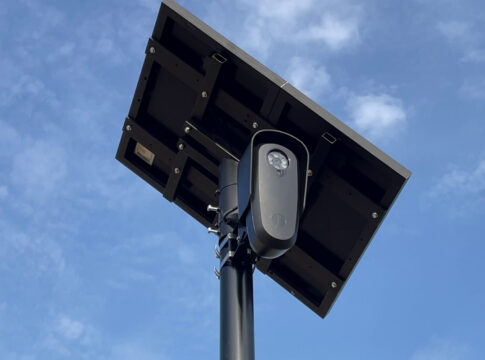
Lindsey Brooke Isaacs was arrested in April 2026 and charged with eight felonies, including three counts of vehicular homicide, after a Flock automated license plate reader captured her black Dodge Durango traveling eastbound near the crash site at 9:51 p.m. on October 4, 2025. The fatal collision on Interstate 4 near DeBary, Florida occurred at 9:53 p.m., killing motorcyclist Joaquin Deno and Flagler County Deputy Administrator Jorge Salinas and his wife Nancy. Witnesses reported a Dodge Durango fleeing the scene.
Investigators impounded Isaacs’ vehicle despite finding no collision damage. A specialized Florida Highway Patrol team inspection confirmed the SUV showed no signs of impact with another vehicle. Isaacs repeatedly asked authorities where the damage was on her car, but police proceeded with the arrest anyway. She spent her first several days in solitary confinement during her 13-day jail stay.
Critical Details Ignored During Investigation
Multiple pieces of evidence contradicted the charges against Isaacs. A 911 caller described a maroon Dodge Durango and provided a partial license plate number. Investigators found maroon or red paint transfer on a Ford Focus involved in the crash. Isaacs drove a black Durango. Her attorney’s time-distance analysis concluded she had already passed the crash location when the collision occurred, based on the camera timestamp and crash timing.
Prosecutors dropped all eight felony charges against Isaacs months after her arrest. Investigators subsequently arrested another woman in connection with the three deaths. Isaacs’ attorney Patrick McGeehan said authorities essentially picked up her car on camera and considered the investigation complete, despite contradictory physical evidence.
Questions About Technology Reliance
The case raises concerns about how heavily law enforcement should weigh automated license plate reader data when determining arrests and charges. The Flock camera system accurately recorded Isaacs’ vehicle near the crash scene, but investigators drew incorrect conclusions from that single data point. The technology provided location information but could not account for timing, vehicle condition, or other evidence that ultimately exonerated Isaacs. Authorities have not explained why they pursued charges despite the lack of physical damage and conflicting witness descriptions.