
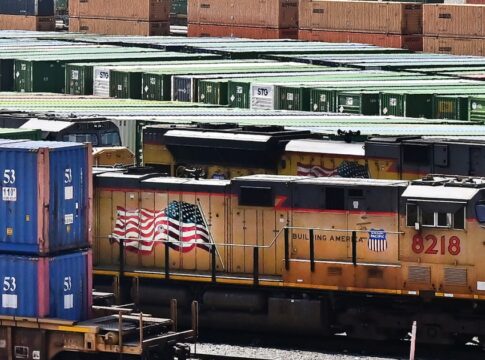
Federal prosecutors have indicted 13 men for allegedly orchestrating a massive organized crime operation that stole over $22 million in cargo from freight trains traveling through the nation’s busiest ports in Los Angeles and Long Beach. The brazen heists targeted major American retailers including Nike and Amazon over an extended period.
Organized Criminal Enterprise Exposed
The federal indictment unsealed Thursday reveals a sophisticated operation that targeted more than three dozen freight trains carrying consumer goods imported through Southern California ports. The criminal ring allegedly disabled trains at predetermined locations by deliberately damaging braking systems, then offloaded merchandise including Nike sneakers, Crocs footwear, and power tools onto waiting trucks. The stolen goods were then sold through an unnamed company that resold the merchandise for profit, creating a lucrative criminal enterprise.
Prosecutors presented evidence showing the defendants documented their crimes extensively. Group chat messages revealed numerous photos and videos of the men breaking into train cars, posing with stolen merchandise, and displaying large amounts of cash. The criminals even shared artificially generated images glorifying their activities, depicting themselves throwing shoe boxes from trains while police helicopters circled overhead.


Rising Threat to American Commerce
Train cargo theft has emerged as a significant threat to American retail operations in recent years, particularly at major ports handling hundreds of millions of dollars in daily shipments. The relatively low-tech nature of these robberies has forced the world’s largest retailers to implement new security measures. The Los Angeles and Long Beach port complex, which serves as America’s primary gateway for imported consumer goods, has become a prime target for organized theft rings exploiting vulnerabilities in the freight transportation system.
Severe Federal Consequences
All 13 defendants face federal charges of conspiracy and theft of interstate railroad cargo. Two suspects received additional charges for violence against railroad carriers, elevating the severity of their alleged crimes. First Assistant United States Attorney Bill Essayli emphasized the unprecedented scale of the operation, warning that future cargo theft operations would face aggressive prosecution. If convicted, the men face prison sentences ranging from five to 20 years in federal custody. The case demonstrates federal law enforcement’s commitment to protecting critical transportation infrastructure and the flow of commerce that American families and businesses depend on daily.