
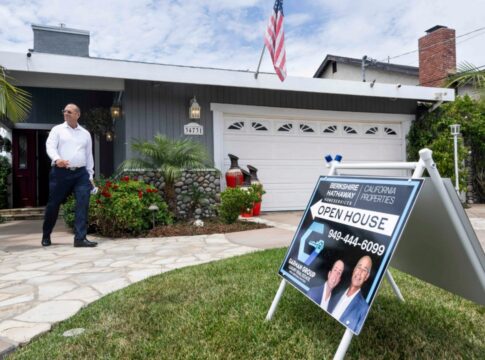
American families are being priced out of homeownership as mortgage rates surge past 7% for the first time in years, forcing widespread price cuts and collapsing pending home sales in what experts warn signals a housing market crisis driven by federal fiscal mismanagement.
Treasury Yield Spike Drives Mortgage Crisis
The 30-year fixed mortgage rate has climbed relentlessly for seven consecutive weeks, reaching levels not seen since the early 2000s. This sustained increase directly follows the 10-year Treasury yield averaging 5.28% this week, up 9 basis points from the prior week. Senior economist Joel Berner at Realtor.com identifies a troubling combination of rising inflation expectations, widespread bond market selloffs, and expanding fiscal deficits requiring massive new debt issuance as the primary culprits pushing bond yields higher and dragging mortgage rates upward.


The 15-year fixed mortgage rate climbed to 6.73% from the previous week’s 6.6%, compounding affordability challenges for families seeking to minimize long-term interest costs. These increases represent a dramatic shift from just one year ago when 30-year rates stood at 6.3%, demonstrating how rapidly federal fiscal policy failures can devastate American families’ purchasing power and financial planning.
Housing Market Shows Distress Signals
Berner warns that elevated rates have left the housing market genuinely spooked, with pending home sales declining year-over-year in both August and September even before rates crossed the psychologically significant 7% threshold. Sellers have been compelled to reduce asking prices at rates unseen in four years, indicating genuine distress rather than normal market adjustments. The financing cost increases have particularly discouraged buyers already stretched thin by broader affordability constraints stemming from persistent inflation.
Cash buyers, however, are experiencing unusually favorable market conditions with home prices down 1.4% year-over-year and available inventory up 5.4% compared to last year. This dynamic creates a troubling two-tier market where wealthy Americans with substantial liquid assets can capitalize on distressed sellers, while working families dependent on mortgage financing face exclusion from homeownership opportunities.
What This Means
The mortgage rate crisis exposes the direct consequences of unsustainable federal spending and mounting national debt on ordinary Americans pursuing the cornerstone of financial security: homeownership. As Washington continues issuing debt to finance deficit spending, bond markets demand higher yields, which translate immediately into mortgage rates that price families out of homes. This situation demonstrates how fiscal irresponsibility at the federal level directly attacks the middle-class dream of building generational wealth through property ownership, concentrating housing advantages among cash-rich buyers while working families watch from the sidelines.